
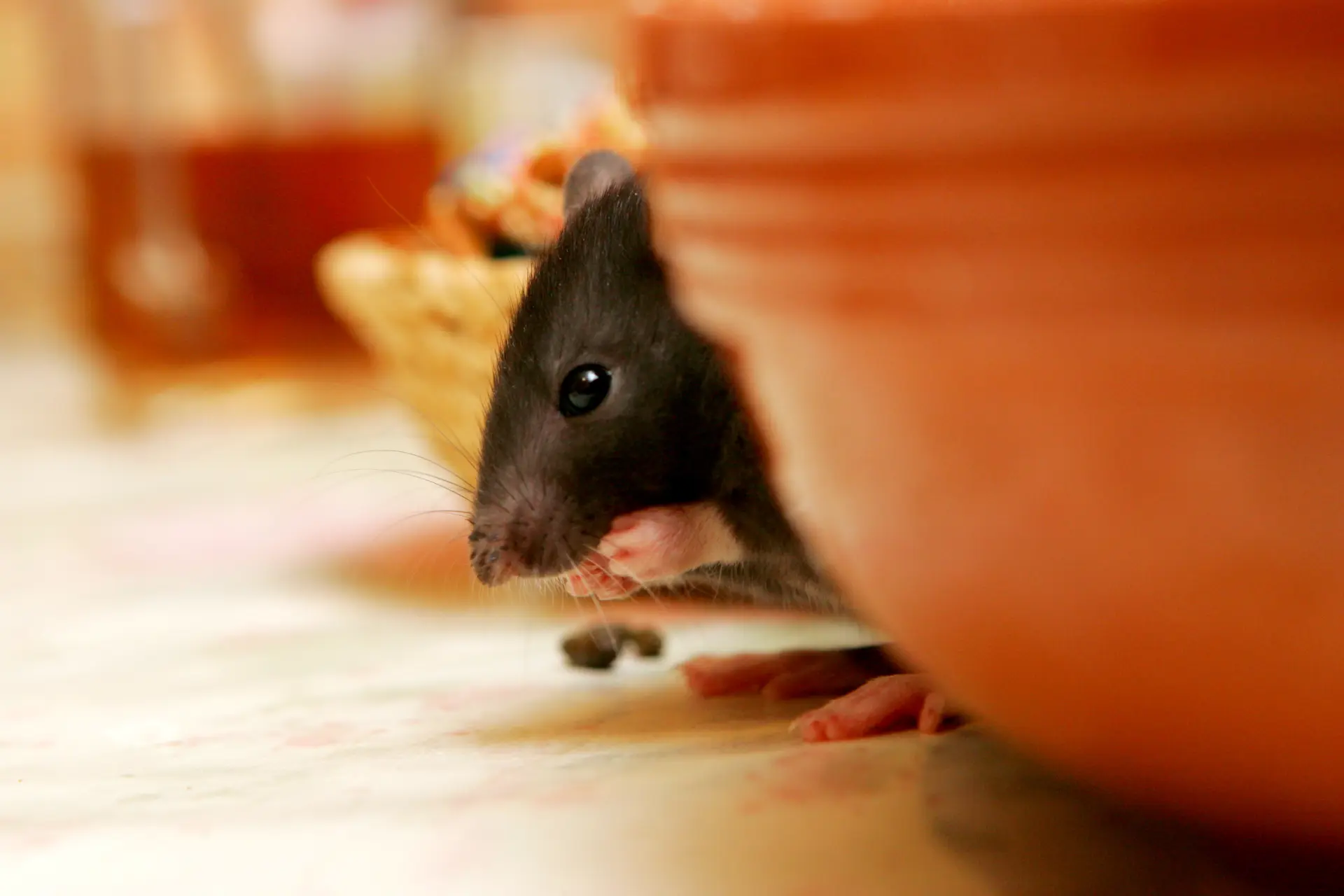
Rodents can cause serious damage, spread disease, and quickly turn a comfortable home into a stressful environment. By rodent-proofing your property, you can prevent infestations before they start and keep your living space safe, hygienic, and secure.
Understanding How Rodents Enter Homes
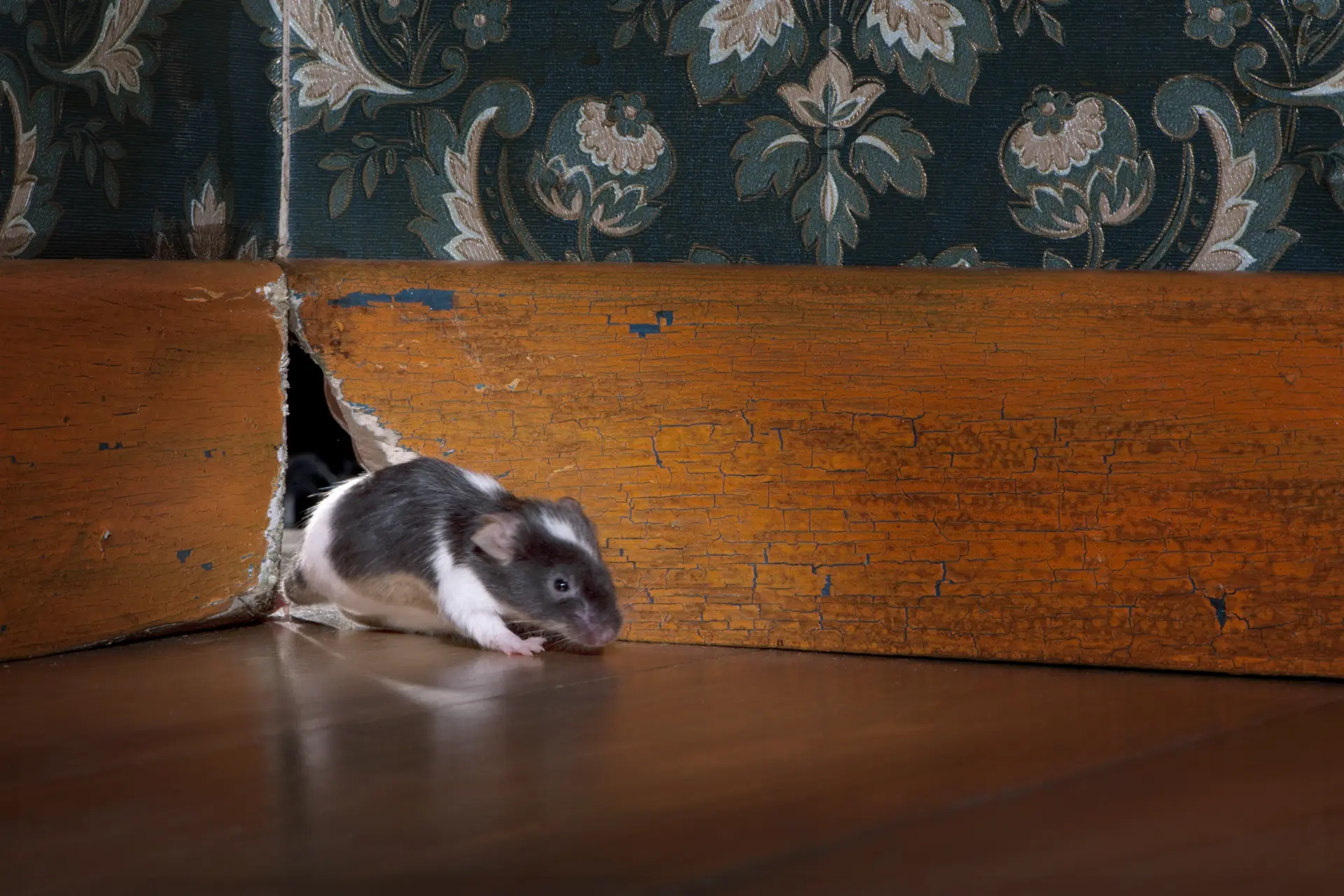
Rats and mice are extremely resourceful and can squeeze through gaps much smaller than most people realise. In some cases, mice can fit through spaces the width of a pencil, while rats only need an opening the size of a thumb. Typical entry routes include cracks in brickwork, broken vents, gaps around windows and doors, roof spaces, and utility pipe openings.
Once indoors, rodents look for food, warmth, and nesting sites, often targeting kitchens, lofts, and basements. Properties near open land, water, or restaurants are especially vulnerable, as rodents are already present in the environment and need only the smallest opportunity to enter. Carrying out routine checks around the property makes it easier to spot weak points before they turn into serious problems.
Sealing Entry Points and Gaps
Physically blocking access is the most effective long-term way to keep rodents out. Homeowners should carry out thorough inspections of the entire building exterior, sealing cracks and holes with cement, caulk, or wire mesh that rodents cannot chew through. Small openings around pipework can be filled with metal wool before sealing, while larger gaps may require concrete patching.
Doors should close flush to the ground, and gaps can be covered with bristle strips to prevent entry. Vents should always be fitted with protective mesh, and loose tiles or missing slates on the roof must be replaced promptly.
Weather stripping around windows and doors should be maintained to remove draughts and prevent pests from squeezing through. Taking the time to seal these areas provides a cost-effective barrier that can protect a property for years.
Protecting Food and Waste Storage
Rodents are opportunistic feeders, and access to food is one of the main reasons they infest homes. Proper storage is essential for prevention. Dry goods such as cereals, pasta, and pet food should be kept in airtight plastic or metal containers, as paper or thin plastic packaging offers little resistance.
Kitchen bins must have lids that fit securely and should be emptied often to avoid attracting pests. Outdoors, rubbish bins should remain closed, compost heaps should be covered, and food waste must never be left exposed.
Pet food bowls should be cleared away at night, and sheds or garages used for storage should be checked regularly. Gardens with bird feeders are another common attractant, so any spilled seed should be cleared up promptly. Removing these food opportunities makes a home far less appealing, encouraging rodents to move elsewhere.
Why Professional Pest Control May Be Needed
Even with good prevention habits, rodents can still find ways inside, particularly in urban areas where populations are high. Professional pest control services provide expert solutions that go beyond DIY methods.
Technicians are trained to identify hidden nesting areas, locate entry points, and apply targeted treatments that quickly reduce infestations. They may also install proofing measures such as mesh guards, sealants, and deterrents to stop rodents from coming back.
Businesses and households benefit from the reassurance of follow-up visits and practical advice that helps maintain a rodent-free environment. Although there is an upfront cost, professional support often works out cheaper than repairing chewed wiring, replacing contaminated insulation, or discarding spoiled food supplies.
For persistent or large-scale infestations, calling in experts is the fastest and most reliable way to restore safety and peace of mind.
Need expert rodent-proofing in Edinburgh, Leith or Stockbridge? Our professional team delivers safe, effective prevention solutions that protect your home or business from costly damage and health risks.
Related Articles
The Dangers of Ignoring a Rodent Infestation